VehicleValue AI · Updated
Two worked valuation examples
Illustrative worksheets showing how to separate visible evidence, assumptions, and price comparisons. These are not live appraisals or current market quotes.
All prices, mileage figures, and comparison listings below are invented teaching examples prepared on October 8, 2026. They are not claims about the vehicles pictured, actual sales, or output from a live valuation request.
Example 1: a 2020 Toyota Corolla LE
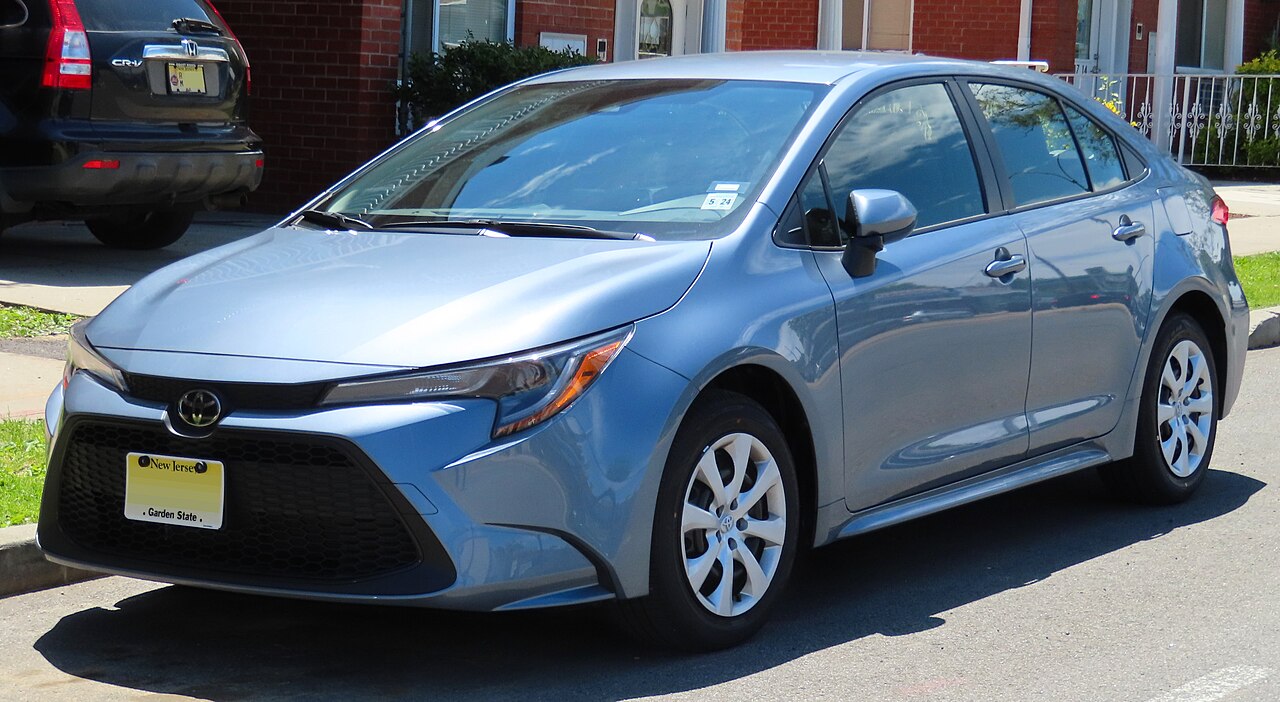

What the image contributes
The photo gives a clear view of the sedan’s exterior. The source identifies it as a 2020 Corolla LE, which is useful for checking an AI identification. It does not establish the odometer reading, title status, maintenance record, or present-day condition. A photo taken in 2019 cannot tell us how that particular car has been used since then.
Assumptions for the worksheet
Assume a U.S. private sale, the correct LE configuration, 70,000 verified miles, a clean title, and no major issues found during an inspection. These are inputs for the example, not observations from the photograph.
| Invented comparison | Asking price | How to use it |
|---|---|---|
| Similar trim and mileage | $15,000 | Include |
| Similar trim, slightly fewer miles | $16,000 | Include, note the difference |
| Similar private seller | $17,000 | Include |
| Dealer listing with different trim | $19,000 | Exclude from this simple comparison |
The three selected asking prices span $15,000–$17,000 with a middle value of $16,000. That describes our invented comparison set; it does not prove the subject vehicle would sell for $16,000. An offer and inspection are the next evidence to obtain. If its actual mileage or title differs from our assumptions, rebuild the comparison instead of trusting this range.
Example 2: a 2018 Ford F-150 crew cab
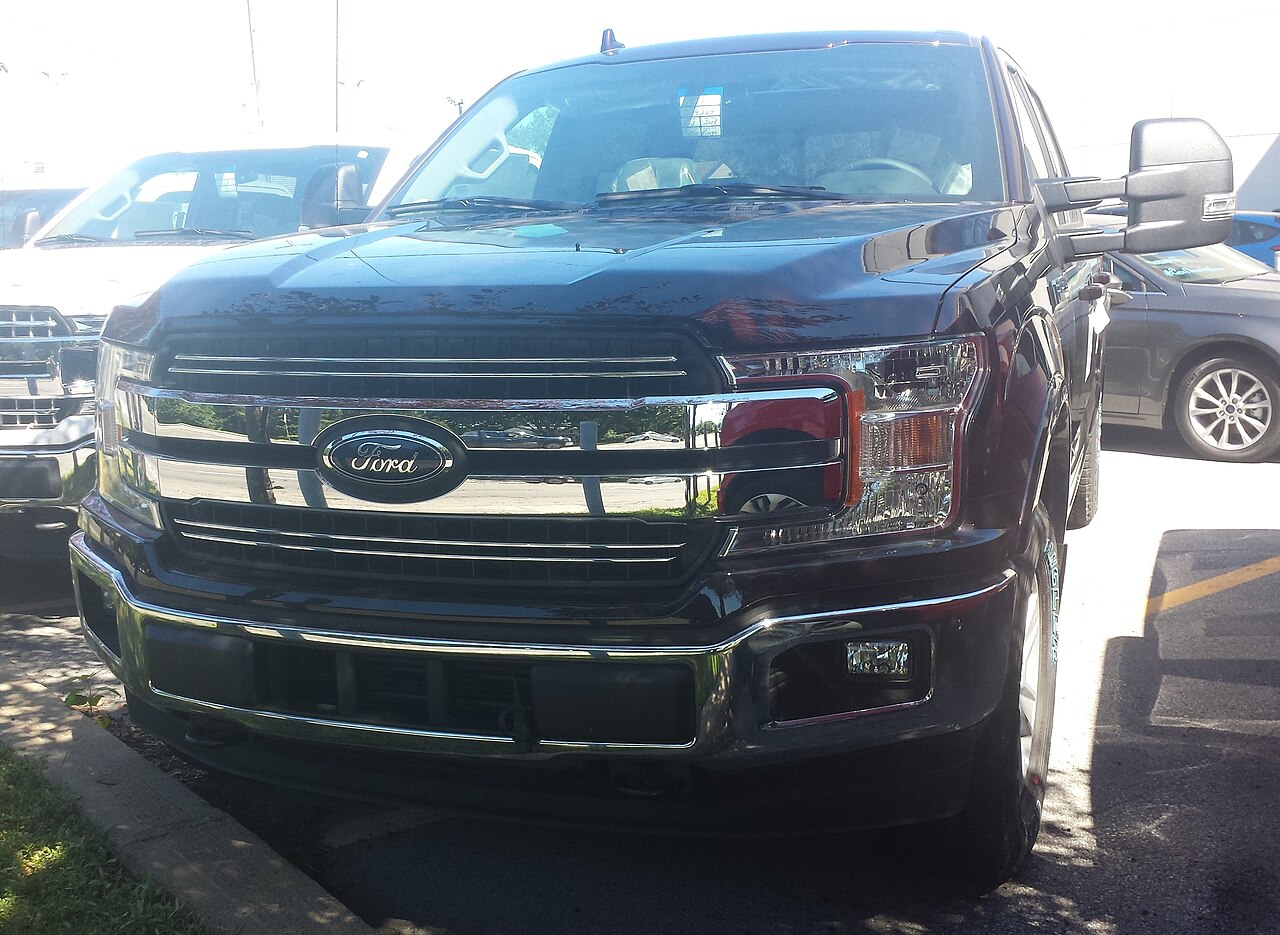

Why configuration changes the comparison
A recognizable pickup body is not enough to price the truck. Confirm the engine, drivetrain, trim, cab and bed configuration, and any equipment that matters to a buyer. Do not infer towing capacity from the presence of a hitch. The source photo was taken in Canada, but our worksheet deliberately describes a hypothetical U.S. sale in USD; it is not a Canadian valuation.
Assumptions and arithmetic
Assume those configuration details have been verified and that three suitably matched private-sale listings ask $20,000, $22,000, and $24,000. Their middle asking price is $22,000. A fourth $30,000 listing with a different engine and trim is not evidence that our subject belongs at the upper end.
Now suppose an independent inspection identifies an issue with a written $1,500 repair estimate that the matched vehicles do not have. Subtracting it from the $22,000 midpoint gives a $20,500 discussion figure. This is an illustrative negotiation calculation, not a universal pricing formula: buyers may value the repair risk differently, and the original asking prices are not completed transactions.
Use the same discipline with your result
Check every inferred field, list the unknowns, compare the same kind of sale, and retain the range. See what affects vehicle value and sale-type comparisons. A current photo, actual mileage, history, and inspection are more useful than adding false precision to an uncertain estimate.